
Good oral health goes beyond a bright smile and fresh breath. Daily habits shape the state of teeth and gums more than occasional fixes.
Small, steady changes pay off over the years and keep problems at bay. The tips below draw on dental practice and common sense to help people build routines that stick.
Brushing Techniques That Work
Many dentists recommend a gentle circular motion when brushing because it cleans surfaces without harming soft tissue. Aim for two minutes twice each day and make sure to reach the back molars where plaque likes to hide.
Hard scrubbing can wear enamel and irritate gums so use a soft or medium brush and light pressure. Switching sides deliberately during a session helps avoid missing spots and keeps the pattern consistent.
Flossing And Interdental Cleaning
Flossing dislodges debris and plaque from between teeth where a brush simply cannot reach. Slide the floss up and down along each tooth surface and curve it like a C to hug the tooth without snapping into the gum.
If traditional floss feels awkward try interdental brushes or a water flosser which are friendly for people with tight spaces or bridges. A little practice turns a chore into a quick habit that pays off in fewer cavities and healthier gums.
Choosing Toothpaste And Brushes
Pick a fluoride toothpaste to strengthen enamel and reduce the chance of decay while also freshening breath. Electric brushes can boost plaque removal for many users by adding consistent motion that is easy to control.
Replace the brush head or toothbrush every three months or sooner if bristles splay out because worn tools lose effectiveness. If sensitivity or other concerns arise ask your dental team for tailored product suggestions.
Role Of Diet In Oral Health
Foods high in sugar and starch feed the bacteria that create acids which attack enamel and irritate gum tissue. Eating whole foods, drinking plenty of water, and limiting snacking helps keep acid attacks to a minimum and gives saliva a fighting chance to neutralize acids.
Acidic drinks like citrus juices and certain sodas can soften enamel so rinse with water after sipping and avoid swishing. An ounce of prevention is worth a pound of cure when it comes to sweet treats and frequent nibbling.
Routine Dental Visits And Screenings
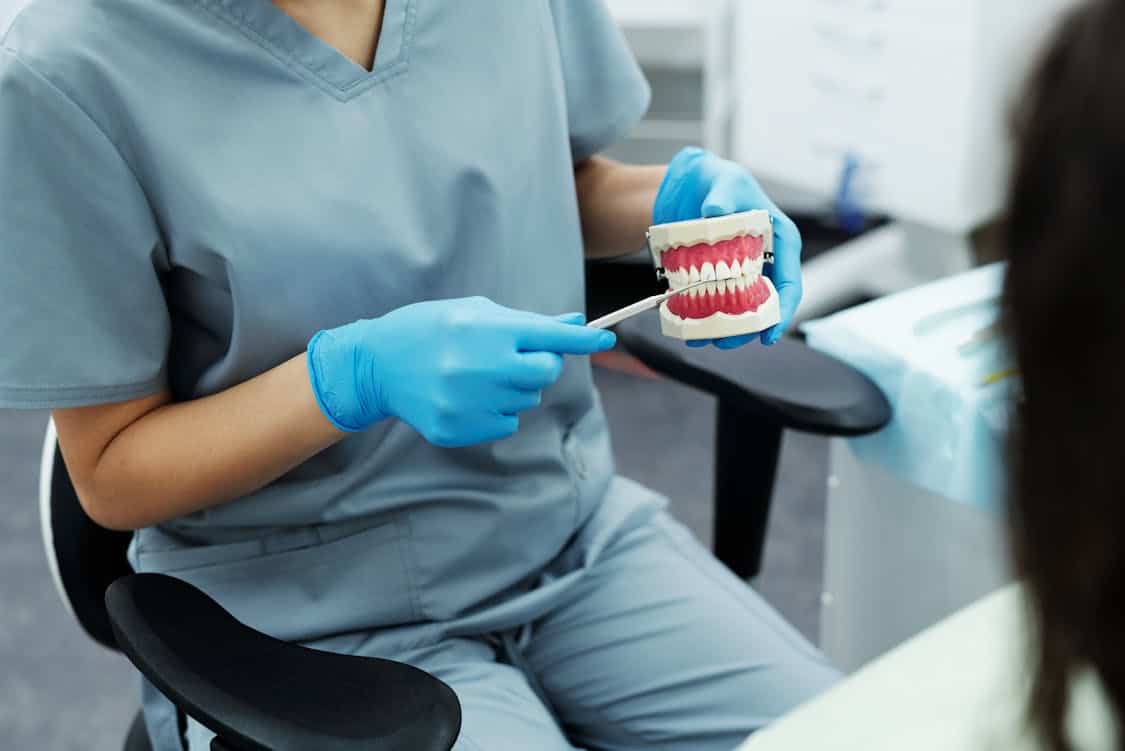
Regular checkups catch small problems before they spiral into major repairs and give a chance for professional cleaning that removes stubborn tartar. During a visit expect visual checks, X rays when needed, and a chat about any changes in comfort or function at home.
These appointments are also an opportunity to ask about mouth sore care and to have specific questions answered. Many people find that twice yearly visits make maintenance manageable and avoid surprises.
Scheduling appointments with Melbourne dental hygiene services helps keep these visits consistent and thorough.
Addressing Gum Inflammation Early
Gums that bleed during brushing or flossing are often signaling a problem that warrants attention rather than being ignored. Redness, swelling, or pockets forming at the gum line suggest that bacteria are gaining a foothold and deserve action.
Improving home hygiene habits and scheduling a professional cleaning can reverse early inflammation in many cases. If symptoms persist a periodontal evaluation helps map a clear plan to get gums back on track.
Tobacco And Alcohol Effects
Tobacco use increases the risk of gum disease, tooth staining, and delayed healing after treatment so cutting back helps the mouth recover quickly. Alcohol can dry the mouth and alter the oral environment which makes it easier for bacteria to thrive and for bad breath to follow.
Choosing non smoking options and moderating alcohol intake supports healing and lessens long term wear on soft tissues. Quitting is not always easy but many people find that each day without tobacco improves oral comfort and appearance.
Oral Care For Children And Teenagers
Start cleaning an infant s gums even before teeth arrive by wiping the mouth with a soft cloth after feeds to remove residue. Once teeth erupt introduce a small soft brush with a rice grain amount of fluoride toothpaste and supervise until manual dexterity is reliable.
Teen years bring orthodontic treatment and diet changes so keeping up with brushing and flossing habits helps prevent stains and cavities. Make dental visits routine so kids see care as part of life and not as an emergency only event.
Appliances And Braces Care
Braces and retainers create new niches where food and plaque can cling so a targeted cleaning routine is key to avoid white spots and decay. Use interdental brushes and floss threaders to reach under wires and around brackets and rinse after meals if brushing is not possible right away.
Removable appliances should be cleaned daily and stored away from heat to preserve shape and hygiene. If an appliance breaks or causes persistent soreness contact the provider promptly to nip problems in the bud.
When To Seek Specialist Care
A general dentist handles most needs but certain signs point to the need for a specialist such as a periodontist or an oral surgeon. Persistent pain, loose teeth, deep pockets along the gum line, or changes in bite pattern are all reasons to seek a focused evaluation.
Referral to a specialist brings targeted techniques and tools that general practice may not provide in house. Acting early often prevents more invasive treatment down the line, which is a good outcome for both time and comfort.