
Onsite activations are the tactics brands use when physical presence meets shopper intent at a store, event, or pop up space. They work by shortening the path from curiosity to purchase and by turning casual interest into a clear buying action.
Some activations deliver instant sales spikes while others nurture a slow burn of preference that pays off later on. The categories that follow unpack what those activations do, why they matter, and how teams make them convert.
Product Sampling
Product sampling puts a product directly into a hand or onto a palate so a person can test and form an opinion right away. A friendly demo with a clear call to buy in the same location removes friction and can turn trial into a purchase within minutes.
Good sampling programs pick high traffic moments and train hosts to highlight a single main benefit rather than rattle off a list. When sampling is paired with a visible display and easy checkout paths, conversion tends to rise in measurable ways.
Live Demonstrations
Live demonstrations show how a product works in a realistic setting and answer common objections on the spot. A well run demo draws a crowd, creates social proof, and shortens decision time because viewers can see fit and function with minimal guesswork.
Talent that knows the product and can read the room will steer viewers toward features that align with real needs, and that human element often beats static signage. After a demo, clear follow up offers or a staffed checkout area keep the momentum and increase the chance of a sale.
Event Sponsorships
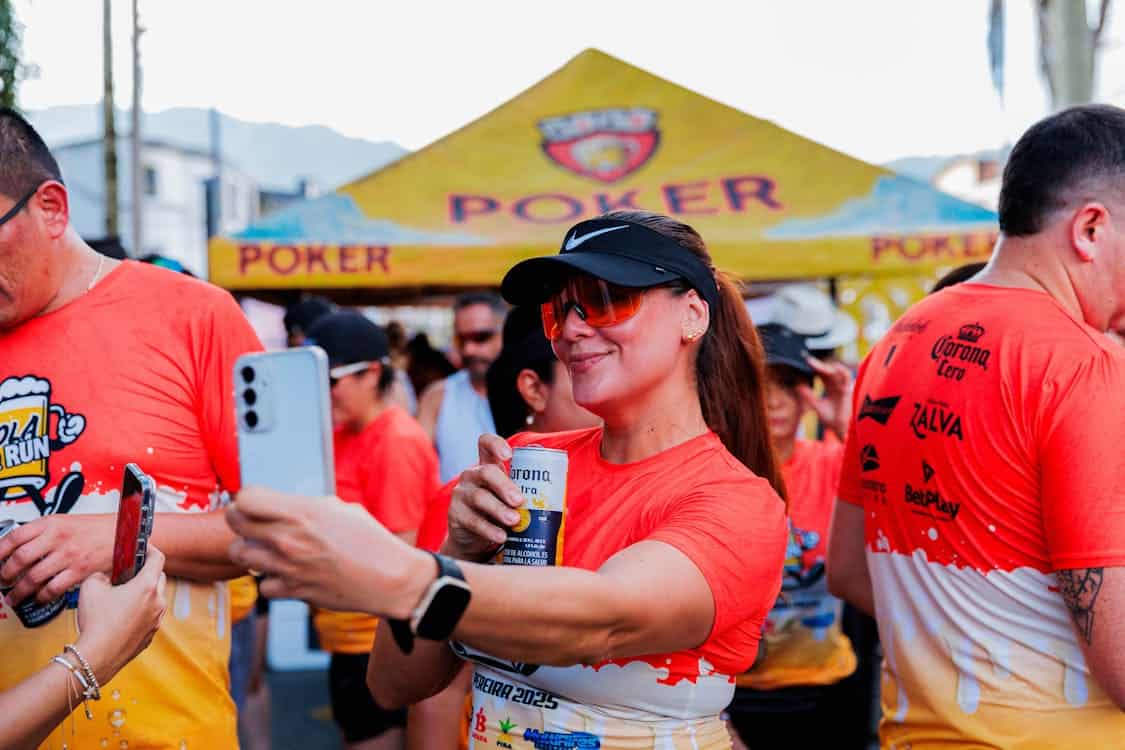
Event sponsorships place a brand in a context where interest is already high, so the activation does not start from zero. A targeted event audience offers higher intent, provided the activity matches the vibe and solves a small, immediate need for attendees.
Sponsors can mix visual hooks, short activations, and exclusive show offers to create a sense of urgency without pressure. A thoughtful inventory plan and a quick payment route are tiny details that determine whether a presence translates into actual revenue.
Point Of Sale Promotions
Point of sale promotions catch shoppers right before they decide to buy, and that timing is gold for conversion. Simple offers, such as bundled pricing, cross sell suggestions, or immediate add ons, nudge a purchase that might not have happened without that last push.
Clear signage, trained staff, and minimal steps to complete the purchase are the operational backbone that makes these promotions work. When teams test different prompts and measure uplift at the register, they can refine which messages produce the best return.
Limited Time Offers
Limited time offers create a short window of perceived scarcity that encourages faster decisions from onlookers and browsers. A compact deadline can flip a passive browser into an active buyer, especially if the offer is visible and repeated across touch points onsite.
The key is to be honest about availability and to make redemption seamless so shoppers do not abandon the idea. Small perks like free sampling or a tiny gift with purchase often amplify the pull of a timed price cut.
Loyalty Program Activations
Loyalty program activations turn occasional buyers into repeat customers by making rewards visible and easy to claim right then and there. Signing up on the spot with an instant reward can raise lifetime spend when the new member receives relevant offers later on.
Staff who can explain program value in plain language and who can complete enrollment quickly make the activation feel effortless rather than like extra paperwork. Linking a signup to an immediate perk makes the program feel tangible and not just another email list.
Experiential Installations
Experiential installations create memorable moments that align a feeling with a brand idea, so participants recall the product when they shop later. A successful install tells a short story, invites participation, and leaves a clear cue to purchase, whether that cue is a QR code, a staffed kiosk, or a pop up shop next door.
Thoughtful planners often design a setup that draws people across the venue, encouraging movement and exploration so more visitors engage with multiple touchpoints.
The balance between spectacle and functional call to action matters; too much flash and the sales message gets lost, too little and the moment fails to stick. When visitors talk about the experience afterward, earned word of mouth often follows and that conversation nudges others toward a purchase.
Staff Led Engagements
Staff led engagements rely on trained humans to start a conversation, diagnose need, and match a product to that need in real time. Well briefed staff can convert by asking simple questions, offering relevant options, and closing with a small, time sensitive incentive.
Personality and product knowledge are both important since shoppers respond to warmth and clarity more than to scripts. Regular feedback loops between staff and managers help refine pitch lines that actually move inventory rather than just sound polished.
Strategic Partnerships
Strategic partnerships pair a brand with another presence onsite to reach an audience that already trusts the partner and to add value without extra heavy lifting. For example a beverage brand might team up with a snack seller so each adds purchase appeal to the other, or a tech vendor might appear at a trade event that draws its ideal buyer.
The most effective partnerships set clear goals for exposure and for sales tracking so both parties see a measurable return. If partners plan stock levels and shared promotions ahead of time, the collaboration often drives more incremental sales than either could achieve alone.