
Many patios feel off in ways that are easy to point at but hard to fix, and that is exactly why ordinary outdoor spaces often fall flat. A chilly stone slab, a cluster of too-small chairs, a glare of harsh light and the wrong scale of greenery can turn what should be a cozy nook into an awkward waiting room outside.
People expect a patio to invite lingering, to support a quiet coffee break or a rowdy meal with friends, yet several common mistakes push visitors indoors. The good news is that modest shifts in layout, material choice and sensory control can transform the place without an overhaul.
Poor Layout And Circulation
When traffic paths are muddled, guests bump into chairs and conversations break up; the result is a space that feels stiff and planned for form more than function. A practical layout starts by tracing likely walk lines and leaving clear space for movement so the area breathes and invites use.
Grouping seating around a focal point like a table, planter or portable heater creates a natural social hub that draws people together rather than scattering them in islands. Thoughtful placement also reduces visual friction, so the patio becomes easier to read at a glance and feels more welcoming.
Hard Or Uninviting Surfaces
Cold concrete and slick tile invite shoes but rarely invite bare feet, and when everything underfoot feels unapproachable the whole scene becomes formal and distant. Introducing softer textures through rugs, textured pavers or a strip of lawn can shift the vibe toward comfort without hiding the original material.
Surface temperature and grip matter for comfort and safety, and small changes can turn a hard place into a place that asks you to linger. The goal is a mix of tactile cues that read as friendly instead of clinical.
Lack Of Shade And Microclimate Control
A sun cooked patio or a wind funnel that strips warmth can ruin the best intentions for outdoor living, because human comfort is strongly tied to shade, wind and a sense of shelter. Layered shade from umbrellas, sail cloth or an overhang paired with wind breaks gives control back to the user and stretches usable hours into cooler and warmer seasons.
Shade management also reduces glare on surfaces and cuts reflected heat, making a seating area actually pleasant for reading or eating. Small, movable solutions are a clever way to adapt to shifting sun angles and the whims of weather.
If you are planning a space that works for both adults and children, exploring recommendations on family-friendly patio designs can help you create a more comfortable and adaptable setup.
Awkward Furniture Choices
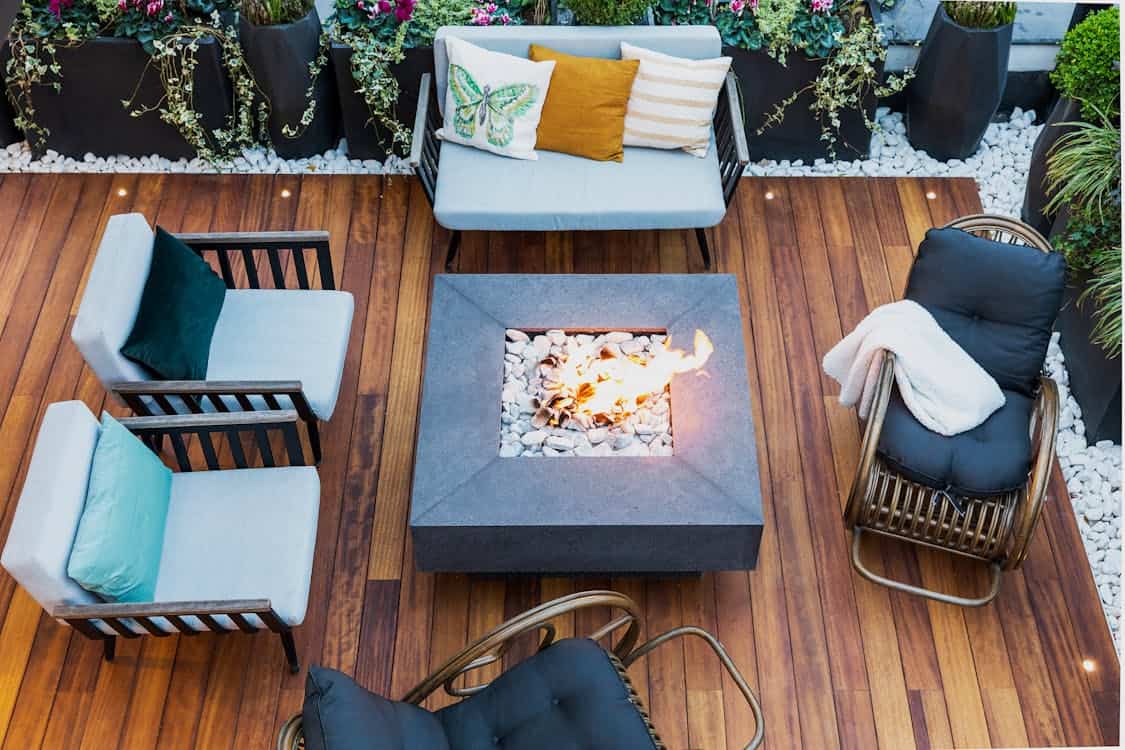
Furniture that is too low, too high or too frail kills the desire to sit down; chairs should support how people want to use the space whether relaxing or dining. Mix seating heights and types to match different activities and body shapes which creates a more democratic and inviting spot where everyone can find a comfortable perch.
Pay attention to material aging outside and pick pieces that patina in a way you like, because time worn finishes can add charm rather than looking neglected. Swapping a few cushions or a brighter fabric does more than freshen the look; it softens the whole experience.
Visual Clutter And Scale Problems
Too many small items or one oversized object throws visual weight off balance and makes the patio feel unsettled, like a room that has not yet grown into itself. Aim for a focal point and let supporting elements keep a lower profile so the eye can rest and the space reads as intentional.
Consider the scale of plants, furniture and accessories relative to the house and human height; proper scale helps users feel comfortable rather than dwarfed or crowded. A pared down approach with a couple of striking choices often gives more presence than a crowded table of mismatched things.
Lighting That Feels Clinical
Bright white spots and uneven illumination can make evening hours feel harsh, which defeats the relaxation that outdoor living should offer. Add varied light layers with string lights, low lanterns and soft path lighting to create depth and pockets of warmth where people naturally gather.
Warm color temperature and dimmable options help the patio move from dinner to late night conversation without flipping the mood. Good lighting lets eyes adapt between bright and dark zones so the space feels safe and intimate at the same time.
Sound And Privacy Issues
Noise from neighbors, traffic or appliances can make a patio feel exposed and ephemeral, cutting short the time people want to spend outside. A mix of plantings, screens and water elements tames intrusive sounds and turns background noise into a softer wash that hides unwanted clatter.
Privacy also affects behavior in small ways; when people sense a buffer they relax into slower movement and longer conversations rather than treating the area like a transit point. Thoughtful placement of tall plants and vertical elements can create a sense of room without erecting solid walls.
Neglected Greenery And Texture
A patchy planter or one type of green matter makes a patio read as an afterthought, and when all foliage shares the same leaf shape and tone the result is visual boredom. Layer plants with varied heights, leaf shapes and seasonality to give texture that changes across months and invites repeated visits.
Hard and soft surfaces are partners; a balance of stone, wood and living material gives grip for the eye and the foot, which helps the space feel grounded and tactile. Even small pots with a mix of herbs and flowering annuals lift the sensory profile and invite closer inspection.
The Problem With One Size Fits All Solutions
Prefabricated sets and show home styling often promise a quick fix but leave out how living patterns and local climate shape comfort, which creates spaces that look fine but do not perform. Tailor choices to the rhythms of your household and the way light, wind and sound behave across a day, and you will find small decisions repay themselves in usability.
Custom adjustments such as moving a table a few feet or adding a temporary wind break respond to real use and teach what should be permanent. Trial and tweak is preferable to wholesale replacement because it keeps the cost down and the outcomes aligned with actual needs.
Practical Changes That Make A Big Difference
A short shopping list of interventions can overhaul the feel without blowing the budget, and smart buys include a weatherproof rug, a mix of cushions, a string of warm lights and one or two taller plants for scale. Reorganize circulation by pushing furniture to create clear paths and test different groupings until people naturally gather where you want them to.
Small technical fixes like adding a dimmer, swapping a glare prone bulb or adding a floor level plant can shift perception from cold to cozy overnight. The point is that modest investments and a willingness to experiment often yield the biggest returns in comfort and use.