
Custom kitchen cabinets can change more than the look of a room and can alter how you move through daily tasks. They offer solutions that match the way you store, cook, and entertain without forcing you to squeeze belongings into ill fitting shelving.
A high-end cabinetry maker can ensure that every element is carefully crafted to fit your unique space and needs. Good design can turn wasted corners into useful spots and open up countertop real estate that was once crowded.
The sections that follow explore practical effects of choice and build quality on function, style, cost, and upkeep.
Enhanced Storage And Organization
When cabinets are planned around your kits and habits you get shelves and drawers in just the right places so things are easy to find and put away again. Pull out trays, shallow drawers for utensils, and deeper bins for pots let you mimic the way you work at the stove and the sink so every move feels a little smarter.
With careful planning clutter is less likely to creep onto counters, which gives the whole room a cleaner, calmer feel that can improve how you use the space. It is not magic, just fitting storage to activity, which often makes daily routines quicker and less frustrating.
Better Use Of Space
Corners, odd angles, and tight gaps often feel like dead zones but with planning they can become prime real estate for storage and appliances. Cabinets that rise from floor to ceiling capture vertical space and keep seasonal items out of the way while leaving essentials within reach, and clever internal organizers let narrow pockets hold trays or spice jars.
In small kitchens every inch counts and a design that maps to what you own can free up work surface and walking room so cooks are not bumping elbows. It is surprising how much extra usable area you can find when you stop forcing square peg items into square peg places and think three dimensionally.
Style And Personal Expression
Cabinet doors, hardware, color and finish all play into how a kitchen feels and they give you a chance to stamp a personal look on a central part of your home. Choices range from clean simple panels that let other elements shine to more detailed profiles that add character and history, and the right mix keeps your kitchen from feeling generic.
Making consistent selections helps other items like counters and backsplash sing together, which in plain terms means a room that looks planned rather than pieced together. A kitchen that reflects taste and use can lift daily life because you enjoy being in a space that feels like you.
Material Choices And Durability
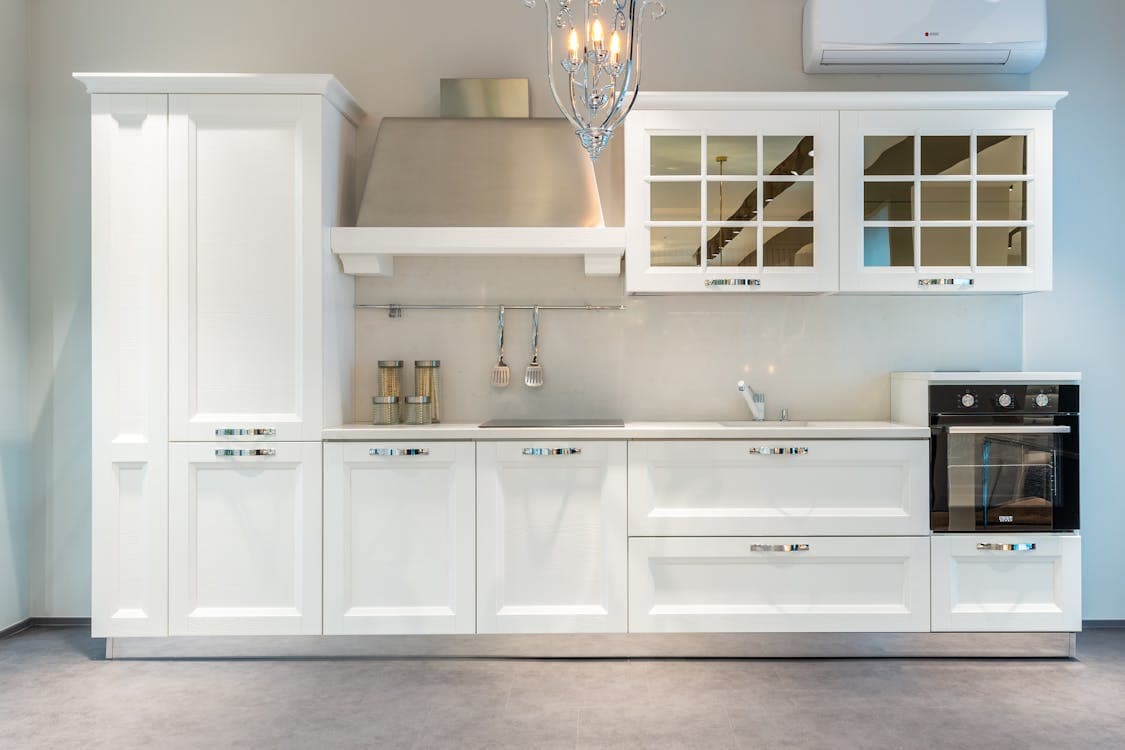
Core materials have big effects on how cabinets perform over the years and on the chores they demand from you, so learn the basics of plywood, solid wood, and engineered panels before buying.
A well chosen substrate resists swelling from moisture and holds screws tightly while the face material and finish determine scratch and stain resistance, and some options need less attention than others.
Hard wearing hardware such as full extension runners and soft close hinges has a cost up front but cuts down on repairs and noisy slams that make a kitchen feel worn out. Spend a little time on material decisions and you will often pay less in the long run than with cheaper options that need replacement.
Cost And Investment Factors
Price depends on size, choice of materials, complexity of doors and drawer systems, and the time required to build and install the cabinets, so set a budget that you can live with and let that guide decisions.
Comparing stock units, semi custom builds, and made to order options will reveal trade offs between quick availability and the exactness of fit and layout you want.
While custom work typically has higher initial expense it can reduce wasteful purchases and future rework which sometimes evens out the ledger if you live in the home for years. For resale value an attractive, functional kitchen often draws buyers more quickly than one with odd storage and poor flow, and that can affect your return on investment.
Maintenance And Upkeep
Caring for cabinets is more than wiping down surfaces and can include occasional hinge adjustment, drawer runner lubrication, and touch up of finishes where daily use takes a toll. Choosing finishes that stand up to steam and grease will reduce the need for frequent refinish work, and panels that resist water make life easier around sinks and appliances.
Regular small fixes keep the system running smooth and stop small issues from growing into expensive repairs, and a bit of attention pays dividends over time. Think of maintenance as simple insurance for the value and usefulness you paid to get in the first place.
Choosing A Reliable Installer
Finding a tradesperson or company that measures carefully, communicates clearly, and shows work samples you can actually inspect will save headaches and give a clearer expectation of schedule and final cost.
Ask for recent references and visit a current or recent project when possible because a picture on a screen can hide fit issues or finish problems that show up in person.
A good installer will be frank about what they can do on site and what needs pre fabrication, and will plan appliance and plumbing interfaces so frustrating surprises are less likely on install day. Clear agreements on timelines, access, and cleanup help the project move along and keep disruption to daily life manageable.