
Investing in physical silver can add ballast to a portfolio and act as a hedge against market noise. Spotting high quality silver bars helps protect value and makes resale smoother when the time comes.
A careful eye paired with a few simple checks separates genuine pieces from tricky counters or low grade metal.
Purity And Hallmarks
Purity is the first thing to check because it directly affects intrinsic value and resale appeal. Look for clear stamps that state purity in parts per thousand or as a decimal, for example nine hundred ninety nine or nine ninety nine.
Trusted mints use consistent fonts and crisp impressions that do not smudge under light rubbing. If the mark looks fuzzy or uneven the piece may be suspect and further testing is warranted.
Weight And Dimensions
A true silver bar will weigh what it claims to the nearest gram or ounce and its dimensions will match the maker specifications. Use a reliable scale and a set of calipers to measure both mass and size, as small deviations can signal impurities or plated cores.
Keep in mind that honest human error happens, yet systematic mismatches are a red flag that calls for deeper scrutiny. When numbers line up the bar is far more likely to be what the papers and stamp say.
Mint Reputation And Serial Numbers
Bars from well known mints travel easily through markets and can command small premiums simply because dealers trust them. Reputable producers often place serial numbers and matching certificates on larger bars which helps track provenance and authenticity.
Check that serials are neat and match any paperwork and that the mint has a history you can verify through multiple sources. A clean chain of custody is a plus when selling. For those seeking reliable silver, Money Metals provides silver bars from trusted global refiners that meet these standards.
Edge And Surface Quality
The edge and surface tell a story about manufacture and wear that stamps alone cannot hide. High quality bars have uniform surfaces with minimal pitting and edges that are straight and true rather than ragged or overly rounded.
Machine struck bars show consistent texture while pour pieces might display fine grain or slight flow lines without holes or cracks. If the metal shows odd discoloration or a flaking layer it might be plated or corroded which reduces value.
Packaging And Assay Certificates
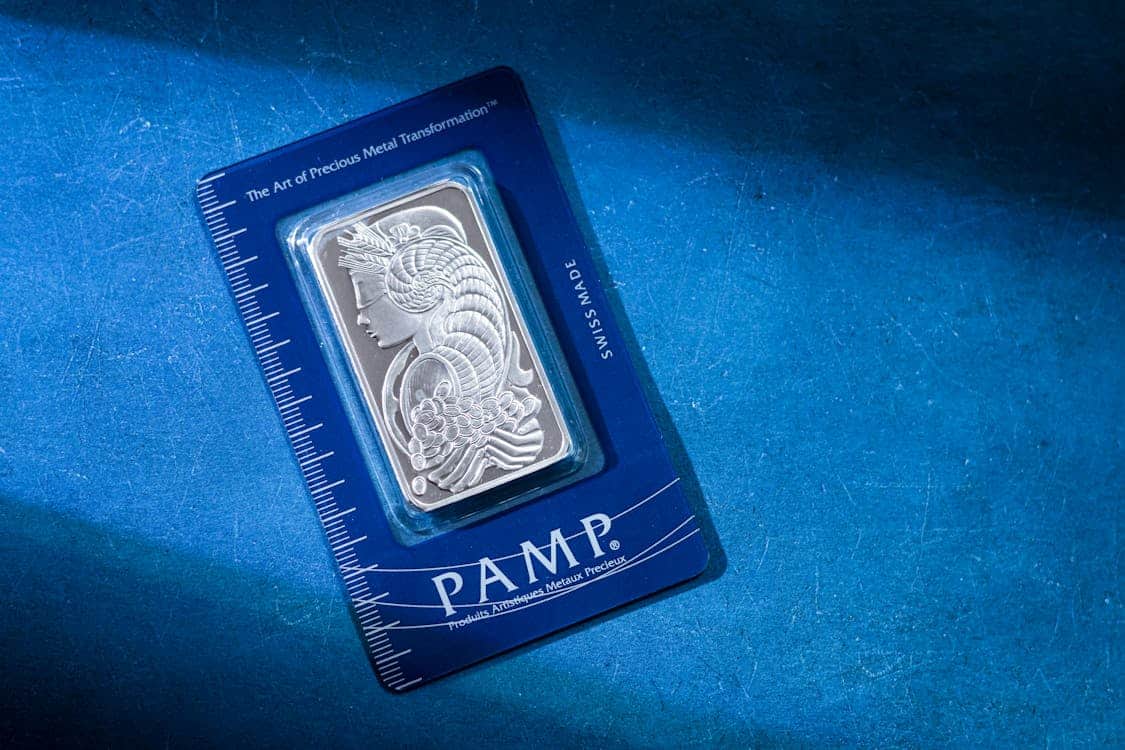
Original packaging and assay certificates add convenience and confidence, especially for sizeable purchases that rely on lab verification. Certificates should match the bar by serial number and include details such as weight, purity, and the issuing assayer or mint name.
Sealed trial packs from trusted producers guard against tampering and make quick resale simpler at many dealers. Keep paperwork with the bar so provenance is always easy to show.
Market Liquidity And Recognizability
Choose bars that buyers know and accept so you avoid a slow sale or awkward haggling at the point of exit. Generic cast bars can work well for some budgets but branded bars from familiar mints often move faster and attract tighter bid ask spreads.
Liquidity matters when markets wobble and you need cash or want to shift assets without a big haircut. Think about how easy it will be to sell in local markets and online auctions before you buy.
Price Versus Spot Relationship
Price matters but the spread over spot can tell you a lot about value and timing for a purchase or sale. A premium that is reasonable relative to the bar s size and brand makes sense because smaller pieces and boutique designs usually cost more per ounce.
Watch the market so you see what premiums are normal and spot opportunities where premiums shrink or rise. If a deal looks too good to be true it may hide flaws that push real cost up later.
Storage And Handling Practices
How you store silver affects condition and future saleability so keep handling to a minimum and use soft gloves to avoid fingerprints that speed tarnish. Airtight packaging with anti tarnish strips and low humidity settings preserve surfaces and reduce the need for cleaning which can damage a bar’s finish.
Heavy handling and rough storage are the kinds of wear that dealers will mark down when they appraise a piece. Treating your stack like a set of fragile tools pays off when you need to liquidate.
Testing With Simple Tools
There are quick tests that add pieces to your confidence checklist and catch many common frauds without fancy gear. A magnet test helps rule out ferrous cores and a specific gravity check provides a strong clue about metal composition when done carefully.
Sound tests using a clean tap can indicate density and homogeneity if you have a reference piece to compare against. For stubborn doubts send the bar to a professional assayer for X ray fluorescence or acid testing rather than guessing on your own.