
When Niantic announced in March 2025 that it was selling its games division — including Pokémon GO — to Scopely for $3.5 billion, the reassurances came quickly. Pokémon GO lead Ed Wu published a statement saying the development team was staying together and that Scopely would be a positive steward for the game. Scopely echoed the sentiment. Both parties insisted nothing significant would change. The player base wasn’t convinced.
Within days of the announcement, threads across Reddit and social media filled with players describing the same precautionary move: transferring their Pokémon out of Pokémon GO and into Pokémon Home. Not because anything had actually changed yet — but because of what Scopely’s track record suggested might be coming.
The company that owns Monopoly Go, Marvel Strike Force, and Star Trek Fleet Command is not known for restraint when it comes to monetization. Players who had spent years inside those games before Scopely acquired them watched the same pattern play out each time: gradual introduction of paywalls, mandatory ad watching for basic rewards, and content locked behind aggressive microtransaction structures.
The concern was specific and documented. Players transferring to Pokémon Home cited the risk of Scopely charging for features that are currently free — a reasonable fear given that Marvel Strike Force saw banner ads placed directly on the gameplay map after Scopely took over, sparking substantial backlash.
The move to Home was described repeatedly as a “just in case” measure: keeping years of hard-earned catches somewhere accessible even if the game’s economics eventually shifted into territory they weren’t willing to follow.
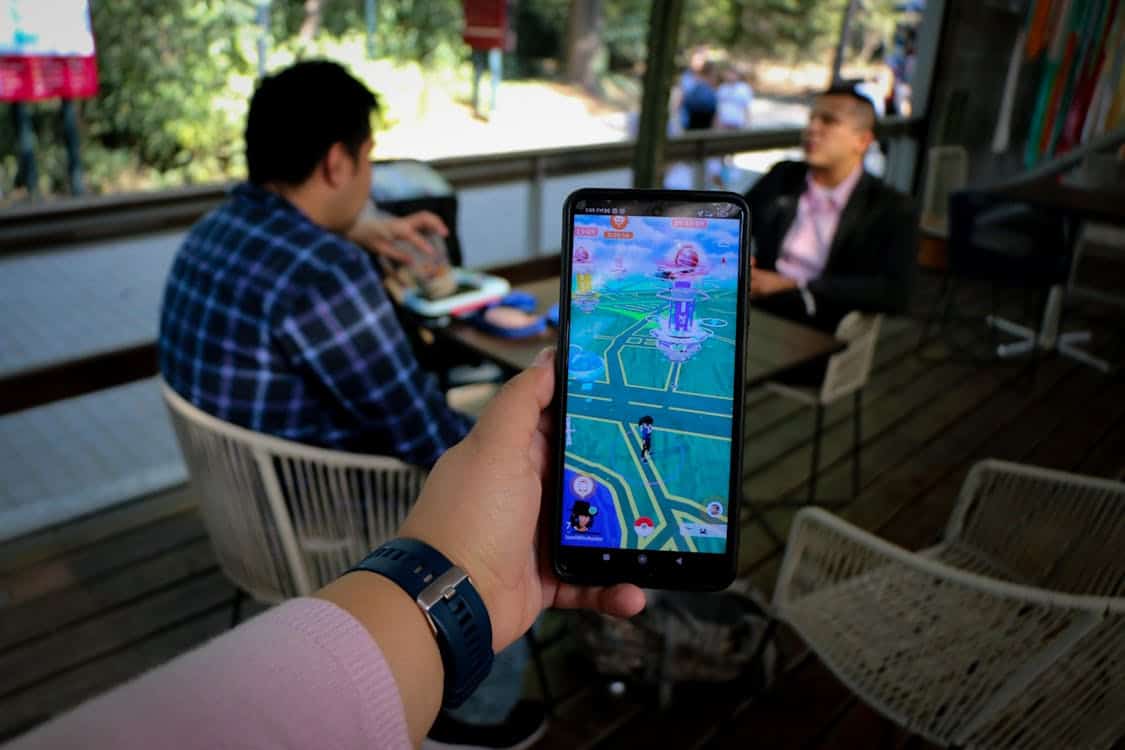
Pokémon GO has always operated in a relatively generous zone for a mobile free-to-play game. Remote raid passes, PokéCoins from gyms, free incubators from gifts — the baseline experience has been playable without significant spending. Scopely’s portfolio suggests a different philosophy, one built around compressing the free experience until paid options become effectively necessary for competitive or completionist play.
Whether that happens to Pokémon GO depends partly on The Pokémon Company’s licensing terms and partly on how much Scopely is willing to constrain its usual approach for a game with this much brand sensitivity.
The acquisition has had a direct effect on how players value them — the level 50 profiles, the shiny legendary collections, the stardust reserves built over years — and whether that progress feels like something worth protecting or something worth moving before the economics change. The secondary market for established profiles tends to spike when ownership uncertainty peaks, and the Scopely deal was exactly that kind of moment.
Early signs under Scopely have been mixed. On the positive side, players noted more transparent event scheduling and earlier communication about monthly content. On the negative side, monetization pressure had already begun to show up in subtle ways — remote raid pass limits, paid particle packs for Max Battles, and bugs in paid systems that went uncompensated. Nothing catastrophic, but consistent with the pattern players feared.
The official line remains that Pokémon GO will not undergo major changes under Scopely. The team is the same. The game is the same. But the company making the decisions behind the scenes is not — and a player base that watched Marvel Strike Force slowly transform over two years from free-to-play-friendly to heavily paywalled has every reason to hedge.