
Dental implants have become a mainstream choice for replacing missing teeth while restoring chewing ability and facial contours. Advances in surgical technique and prosthetic components have broadened what is possible for many patients.
Practical trade offs span from single tooth solutions to full arch replacement, with planning that addresses bone support and soft tissue health.
Types Of Dental Implants
Modern implant styles are grouped by where they sit relative to the jaw and how they attach to the prosthetic tooth. Endosseous implants are placed into the bone and form the backbone of most treatments, while subperiosteal designs rest on top of bone under the gum in special situations.
Cylinder, screw, and tapered shapes reflect different surgical preferences and anatomical needs, with each offering its own handling properties. Implant bodies and abutments work together to convert force from chewing into stable support for crowns or bridges.
Single Tooth Replacement
A single tooth implant replaces one missing tooth without altering neighboring teeth, which keeps the natural structure intact and healthy. After the implant integrates with bone, a custom crown is attached, matching adjacent teeth for color and contour.
Healing time varies with bone quality and the final restoration approach, with temporary restorations used when aesthetics matter. Patients often find that biting and speech return to near natural levels once the crown is in place.
Multiple Tooth Replacement
When two or more adjacent teeth are missing, implants can support either separate crowns or a fixed bridge that spans the gap, offering a long term solution. Using implants to anchor a bridge avoids grinding down healthy teeth that would otherwise be used as supports.
The spacing and angulation of implants are planned to distribute force and maintain gum health across the span. Practical considerations include how many implants to place and how the lab will craft the connecting prosthetic for function and ease of hygiene.
Full Arch Replacement Options
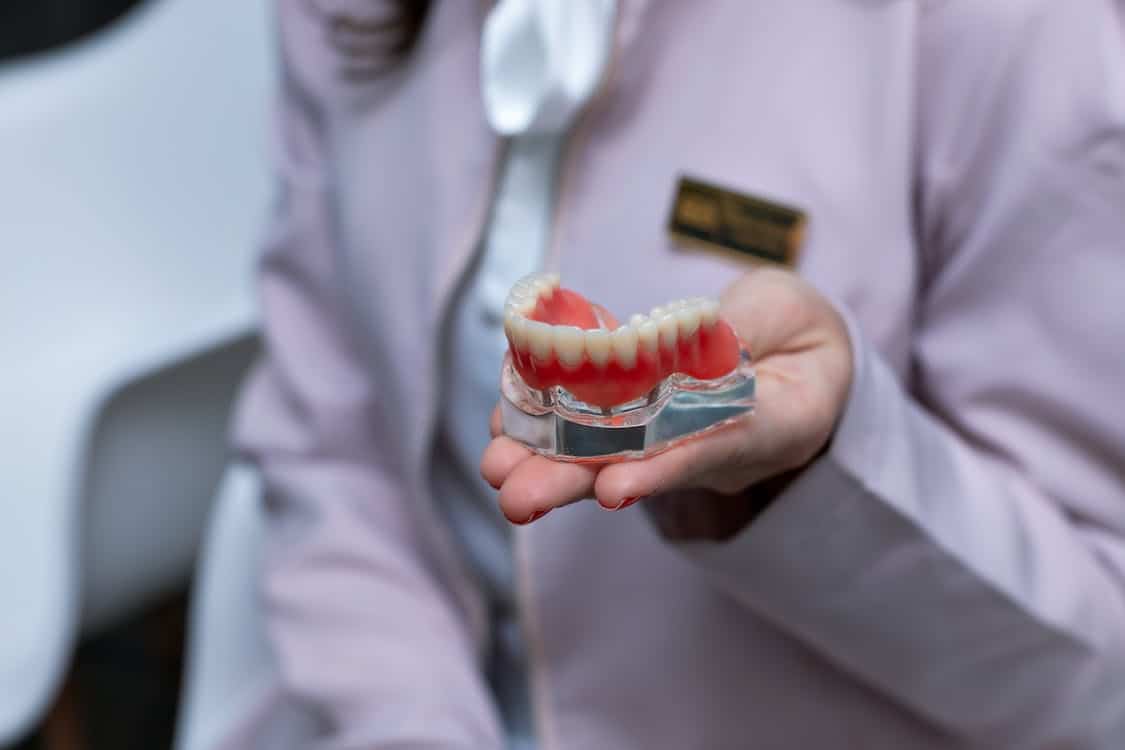
Full arch replacement gives a way to restore all teeth in an upper or lower jaw with fixed or removable prosthetics that are implant supported. A common path uses four to six implants to hold a fixed prosthetic, while two implants can anchor a removable overdenture that snaps in and out for cleaning.
If you’re considering full arch restoration, Dr. Christopher Kimmel from Fixed Dental specializes in personalized implant solutions and can guide you through the best approach based on your unique needs.
The choice often balances comfort against cost and bone availability, and clinicians assess jaw form to plan implant placement. Patients report major gains in confidence with chewing and social comfort after arch level rehabilitation.
Materials And Surface Treatments
Implant bodies are commonly made from titanium or titanium alloys that are well tolerated by bone and soft tissue, with ceramic variants offered for patients seeking metal free options. Surface treatments such as roughening or coating help bone cells attach faster and create a stronger interface between implant and jaw.
Abutments and crowns come in metal ceramic, zirconia, and composite variants so that strength and appearance are both addressed. The combination of material and surface choice plays a central role in long term performance and how the restoration looks under close inspection.
Immediate Versus Delayed Placement
Immediate placement refers to placing an implant at the time of tooth extraction, which can shorten the overall timeline and preserve tissue contours in suitable cases. Delayed placement allows time for socket healing and bone remodeling and may be chosen when infection or poor bone quality raises concern.
The decision rests on clinical findings, imaging, and the willingness of the patient to accept a shorter or longer treatment path. Both strategies have proven records when matched to the right situation and managed with careful follow up.
Bone Grafting And Ridge Preservation
Where bone has resorbed after tooth loss, grafting techniques build volume so implants can be placed in a stable foundation, and options range from small particulate grafts to block grafts. Socket preservation aims to keep ridge form after extraction by placing graft material and sometimes a membrane to guide healing of soft tissues and bone.
Sinus lift procedures create height in the upper jaw when the sinus cavity sits close to the implant site, allowing secure placement in the back molar region. Good planning with imaging helps match graft technique to patient needs and reduces surprises at surgery.
Implant Supported Dentures
Implant supported dentures combine the comfort of removable prosthetics with the retention benefits of implants, giving patients more reliable chewing and less slippage than traditional dentures. Bar retained systems link implants with a metal bar that the denture clips onto, while locator attachments allow a low profile snap in fit for easier cleaning.
These solutions can be a cost wise step up from conventional dentures and a step down from a fully fixed arch restoration depending on goals. Many people find that routine tasks like talking and eating become noticeably easier once the prosthetic is stabilized by implants.
Maintenance And Longevity
Keeping implants healthy relies on daily care and regular professional checks to control plaque and monitor supporting tissues, with specialized tools used to clean around abutments and under prosthetic connectors. Occlusal forces are reassessed at follow up visits so that crowns and bridges wear in a predictable way and do not overload any single component.
Smoking cessation and good general health improve outcomes because biological healing and resistance to infection are supported. With sound maintenance routines, implants often provide many years of reliable service.
Cost Factors And Insurance
Costs reflect the number of implants, type of restoration, need for grafting, and laboratory work required to craft restorations that look natural and perform well. Insurance plans vary in their dental implant coverage, with some offering partial benefits under prosthodontic or surgical categories while others limit payouts to specific procedures.
Transparent pricing from the clinic helps patients plan finances and compare offers while avoiding surprise charges during treatment. Many offices present phased plans so that care can be scheduled around budgetary needs and healing intervals.