
A knocked-out tooth is one of the few dental problems where the clock genuinely matters. The choices made in the first half hour often decide whether the tooth is saved or lost for good.
Most people freeze in that moment, unsure whether the tooth can be saved at all. It usually can, but only if the right steps happen fast.
More Common Than People Think
A tooth getting knocked clean out of its socket, what dentists call an avulsion, is not a rare freak event. It happens during sports, falls, car accidents, and ordinary mishaps every day.
The American Association of Endodontists estimates that more than five million teeth are knocked out each year in the United States, among both children and adults. Despite how often it happens, surveys repeatedly find that most bystanders are unsure what to do.
That uncertainty is costly. The single biggest factor in whether a knocked-out tooth survives is how quickly it is handled and replaced, and hesitation burns the very minutes that matter most.
A permanent tooth, treated correctly and quickly, can be replanted and last for years. The same tooth, mishandled or delayed, is often beyond saving.
The Steps That Actually Save a Tooth
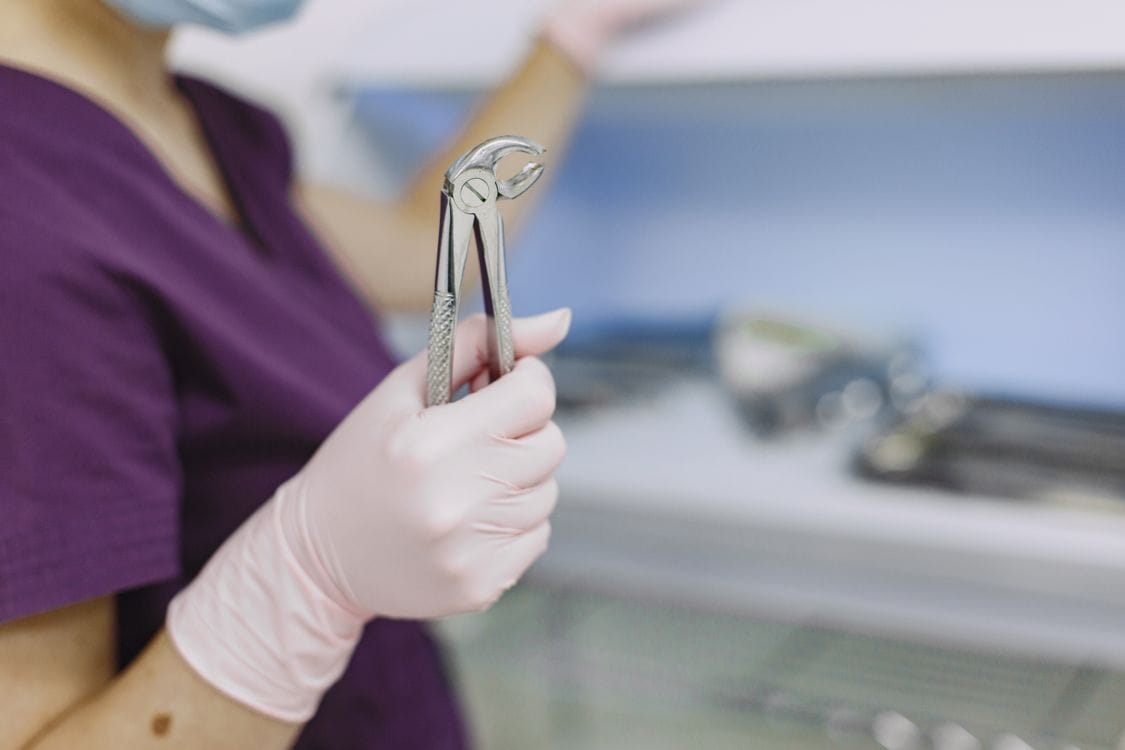
The guidance from endodontists is specific, and a few details make an outsized difference. The first is how you pick the tooth up.
Handle it only by the crown, the white chewing surface, and never by the root. Touching or scrubbing the root damages the delicate cells that allow the tooth to reattach.
If the tooth is dirty, rinse it gently with water for just a few seconds. Do not scrub it, do not dry it, and do not wrap it in a tissue or cloth, all of which destroy those root-surface cells.
If you can, place the tooth back into its socket right away and hold it there with light pressure. If reinserting it is not possible, the storage matters enormously: keep it moist in milk, or tucked inside the cheek, but never in plain tap water, which the root cells cannot tolerate.
Why the Next 30 Minutes Decide the Outcome
With the tooth preserved, the priority becomes speed. The benchmark endodontists cite is to reach a dentist within 30 minutes of the injury.
That window is not arbitrary. The cells on the root surface begin to die soon after the tooth leaves the socket and is exposed to air, and their survival is what makes replanting possible.
Reaching care inside that window gives the best odds, though it is still worth trying even after an hour, especially if the tooth was stored properly in milk or a preservation kit. The point is not to give up, but to move quickly.