
Tint has become a quiet but powerful agent in shaping modern corporate interiors, one that blends function with form in ways that catch the eye and calm the mind. Its presence on glass, film, and glazed partitions influences sightlines, shade, and the flow of natural light with a measured hand.
If you’re aiming to boost comfort and style in your workspace, exploring commercial window tint for your offices can be a smart step toward achieving a polished, efficient environment.
Designers use tint to craft layers of visual hierarchy, to guide movement, and to set a tone without shouting. The balance between subtlety and statement is what makes tint a tool worth studying.
Tint And Corporate Identity
Tint can act like a logo writ in glass, a subtle nod to brand color or tone without slapping paint on every wall. A cool, faintly blue film reads as tech-forward; a warm, muted bronze feels corporate and steady.
When tint and tone repeat across meeting rooms, lobbies, and facades, a coherent visual grammar emerges that helps staff and visitors read the space. Small shifts in hue, value, or saturation can send a clear signal about what the company values.
Light Modulation And Spatial Perception
Control of light and shadow is the core reason many firms pick tint for interior glass, and it affects scale in surprising ways. A medium-strength film softens incoming sun so that far corners look more hospitable; thin films can sharpen contrast and edge, making a focus area pop.
The interplay of light and shadow changes how a corridor or atrium feels, shifting perceived volume without a single structural tweak. Designers play with this toolkit the way painters layer glazes: one thin coat at a time.
Color Temperature And Mood Effects
Warm tints lean toward a cozy, human feeling, while cool tints tend to read as crisp and efficient, and both have their place. Teams working on creative briefs might favor a softer, warm-filtered room that invites low-stakes chat; analysts might prefer cooler tones that keep attention on screens and numbers.
The trick lies in mixing temperatures so zones serve purpose: calm here, alert there. People notice such nuances even when they cannot name them; the effect is obvious but subtle.
Privacy Tradeoffs In Open Offices
Tint offers a privacy solution that keeps openness intact, which many offices prize for transparency and teamwork. Frosted or patterned films block direct sight while permitting light to pass, letting people feel neither boxed in nor exposed.
There is always a balance between visual privacy and the psychological benefit of openness; tint gives a middle path that can be tuned. Panels can be layered, combined, and sequenced to create thresholds that read like architecture.
Glare Control And Visual Comfort
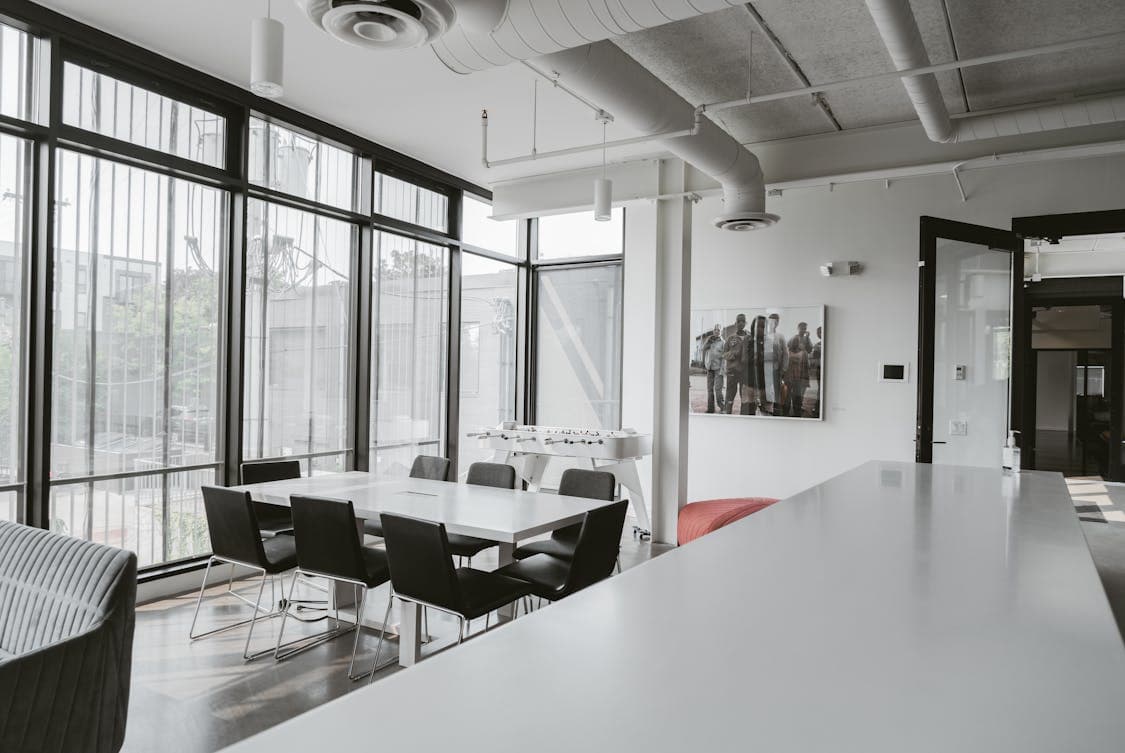
Glare is the small annoyance that erodes focus over a workday, and a well-chosen film brings relief to screens and meetings alike. Low-reflective coatings and neutral-density tints reduce hotspots while preserving a sense of clarity, so sight flows naturally.
When people stop squinting at monitors and whiteboards, productivity and calm follow in short order. That simple comfort often gets overlooked until it is gone.
Energy Savings And Light Management
Tint affects thermal exchange and daylight harvesting, which tie directly to energy figures for lighting and HVAC. Films that cut infrared but pass visible light can lower cooling load while keeping interiors bright and pleasant.
This pairing of optical and thermal control means tint can play a part in return-on-investment calculations, not just aesthetics. Over time the small gains on each window add up to measurable benefits.
Material Selection And Surface Finish
Glass, vinyl film, ceramic frit, and laminated interlayers each bring a distinct tactile and optical character to a scheme. Ceramic frit gives a permanent dot-matrix texture; film can be swapped or adjusted after installation; laminates add safety and sound dampening.
The surface finish changes reflections and depth, influencing whether a partition reads glassy and distant or soft and touchable. Vinyl patterns and simple shading techniques create repeatable motifs that tie spaces together.
Gradients, Patterns, And Brand Subtlety
Gradients and patterns offer a gentle way to stitch identity into interiors without shouting brand color across every surface. A graduated tint on a glazed wall guides the eye from bottom to top, making ceilings feel higher or lower depending on intent.
Repeating a narrow band of pattern at human eye level becomes a recognizable visual cue that staff attach to daily routines. Such motifs work like a refrain in music: familiar, reassuring, and quietly binding.
Maintenance, Durability, And Aging
Film ages; coatings scratch; adhesives creep, and those realities shape choices long before fitting begins. Higher-grade products offer UV stability and scratch resistance, reducing the frequency of replacement and the annoyance of clouded panes.
Easy-clean finishes matter in high-touch zones, and simple repair strategies keep a suite looking fresh over years rather than weeks. Planning for wear is less glamorous than selection, yet it pays dividends in perception.
Policy, Code, And Ethical Use
Tint choices also meet rules about light transmittance, egress visibility, and safety glazing, which architects and facility teams must check early on. Codes ask for minimum sightlines for exits and for certain glass to be laminated or tempered to prevent injury.
Thoughtful policy defines where privacy film is allowed and where full transparency is required, creating a framework that supports both people and process. When rules, design, and human needs align, tint becomes a rational, graceful addition.