
Selecting the best material for an oil storage tank shapes safety outcomes, service life and the bottom line. Choices span from basic steels to advanced composites and each one brings a unique blend of strengths and weaknesses.
Environmental exposure, the type of oil being held and regulatory rules often dictate which option makes sense on a given site. Practical experience and clear trade offs guide engineers and operators toward the most fitting selection.
Carbon Steel Tanks
Carbon steel offers a familiar mix of mechanical strength and relatively low upfront cost that appeals to many operators. This material handles structural loads well and can be fabricated into large units with standard shop methods.
Left unprotected the metal is vulnerable to rust so surface treatment and regular inspection are part of normal upkeep. API 620 Storage Tanks frequently utilize carbon steel for large tanks where structural strength and corrosion resistance are key considerations.
When lined or coated and properly maintained carbon steel remains a solid workhorse for crude oil, fuel and many liquid hydrocarbons.
Stainless Steel Tanks
Stainless steel brings superior resistance to corrosion and often extends maintenance intervals compared with plain carbon metal. Grades such as 304 and 316 differ in alloy content and the latter resists chloride stress better near salty air or brine.
Cost is noticeably higher but the trade off shows up in lower frequency of repairs and fewer failures in demanding environments. When handling certain refined products or storing oils that can carry corrosive agents stainless steel can be the safer long game.
Aluminum Tanks
Aluminum stands out for its light weight and good resistance to atmospheric corrosion which can reduce foundation needs and simplify transport. The metal welds readily and is a go to for mobile tanks, small field units and some bulk storage where weight matters.
Strength is lower than steel so engineers plan for thicker walls or extra supports when stability is critical. For oils that do not chemically attack the alloy aluminum often delivers a neat balance of economy and durability.
Fiberglass Reinforced Plastic Tanks
Fiberglass reinforced plastic uses a polymer matrix with glass strand reinforcement which keeps the structure immune to rust and many forms of chemical attack. These tanks work well above ground and in locations where long term corrosion risks would erode steel rapidly.
They tend to be lighter than concrete and often require less painting and fewer hot work operations after installation. Attention to UV resistant gel coats and careful joint design helps prevent aging related issues in exposed installations.
Polymer Coated Steel Tanks
Steel shells paired with polymer coatings combine the strength of metal with a protective barrier against chemical attack and moisture. Epoxy and polyethylene linings are common choices that block corrosive agents while preserving load bearing capacity.
Proper surface preparation and skilled application determine coating longevity, so workmanship cannot be an afterthought. When the coating fails early the result is often localized corrosion that can be caught with routine inspection before it grows.
Concrete Tanks
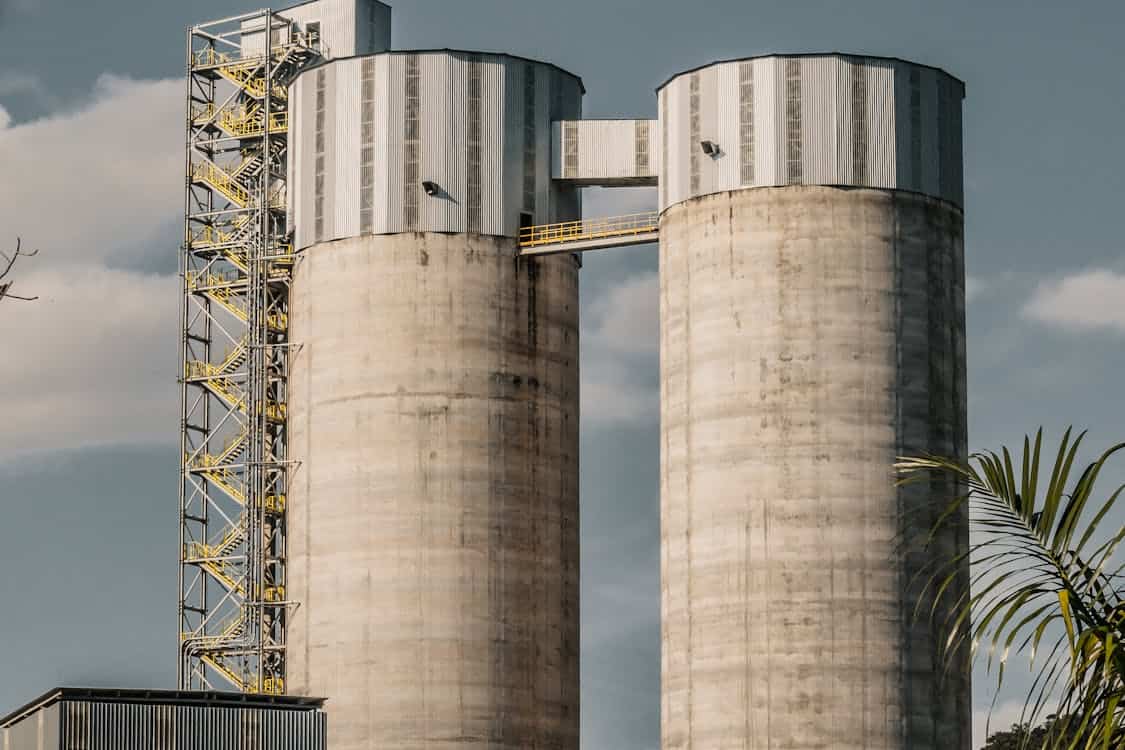
Concrete brings mass and fire resilience to storage projects where volume and permanence matter more than mobility. Tanks built from reinforced concrete can be economical for large fixed reservoirs and often tolerate ground movement without catastrophic failure.
Internal linings or membranes are usually installed to prevent seepage and to shield concrete from hydrocarbon contact. Careful design for cracking control and access for cleaning keeps these structures serviceable for many years.
Composite Materials And Hybrid Designs
Blending materials lets designers tune properties to match real world demands and can yield hybrid tanks that make the most of each component. Examples include steel shells with fiber wraps or concrete tanks with inner polymer liners that guard against leakage and extend usable life.
These hybrids let teams avoid a single point of weakness by distributing functions like load carrying and corrosion protection to the best suited element. Fabrication complexity rises, so clear protocols and quality control during assembly are part of the bargain.
Key Factors For Choosing Tank Material
Site environment dictates exposure stresses such as marine spray, soil chemistry and ultraviolet light which change how a material will age. The product stored influences compatibility, for example light distillates and heavy crude present very different chemical and thermal demands.
Operational needs such as mobility, required capacity and inspection access shape practical choices and lifecycle costs. Regulations, available maintenance budgets and local fabrication skills fold into the final selection in ways that make cost per year as relevant as purchase price.
Maintenance And Inspection Needs
Every material brings its own set of upkeep chores from painting schedules to cathodic protection and liner renewal cycles. A plan that matches inspection frequency to known failure modes reduces the odds of unseen leaks and unscheduled downtime.
Records and simple nondestructive checks often spot issues long before they escalate into emergency repairs. Investing a little time early in routine care pays dividends in safety and predictable operating expense.
Safety And Environmental Considerations
Spill prevention, secondary containment and emergency response planning intersect with material choice because a failure mode in one tank type is different from that in another. Some materials release contaminants that are easy to clean up while others can soak into soils and create long term remediation headaches.
Fire performance, static accumulation and compatibility with sensors and fittings influence what is acceptable for a particular facility. Making smart matches between material behavior and local emergency resources reduces risk and keeps regulators satisfied.
Cost Versus Longevity Trade Offs
Initial purchase price is only one part of the math and annualized cost that includes maintenance, inspection and repair often tells the full story. Higher upfront investment in a more resistant material can lead to lower net expense over a decade of service.
Operators should model typical degradation patterns, repair intervals and possible retrofit needs to make apples to apples comparisons. Often the cheapest option up front turns out to be the most expensive over the life of the tank.
Final Notes On Fabrication And Installation
Welding practices, bolt patterns and access hatch design matter as much as the choice of base material for reliable performance in the field. Poor welding or rushed site assembly creates weak spots that invite corrosion and leakage even with premium materials.
Skilled installers and a clear set of fabrication standards reduce uncertainty and improve long term predictability. Planning for inspection access and future maintenance at the start saves time and money when the clock ticks.