
The race to power artificial intelligence is, underneath all the chips and data centers, a race to build power plants. And a surprising amount of that race comes down to high-temperature steel, the kind that has to hold pressure while running hot for decades.
New gas-fired generation is being built at a pace not seen in years, and every plant is full of pressure equipment that operates in the heat.
A thermal power buildout in fast forward
The numbers tell the story. As of early 2026, U.S. gas power capacity under construction had topped 29 gigawatts, more than double the figure of a year earlier, with far more in the pre-construction pipeline.
The driver is electricity demand from data centers and AI, which need large, reliable blocks of power faster than renewables and grid connections can deliver them. Gas generation has become the near-term answer.
Demand has run so far ahead of supply that the major turbine makers are sold out years into the future, and lead times for new combined-cycle plants have stretched dramatically. The bottleneck is real, and it is pulling in every part of the supply chain.
That includes the pressure equipment on the steam side of these plants, which is where high-temperature plate earns its keep.
Why elevated-temperature service needs its own grade
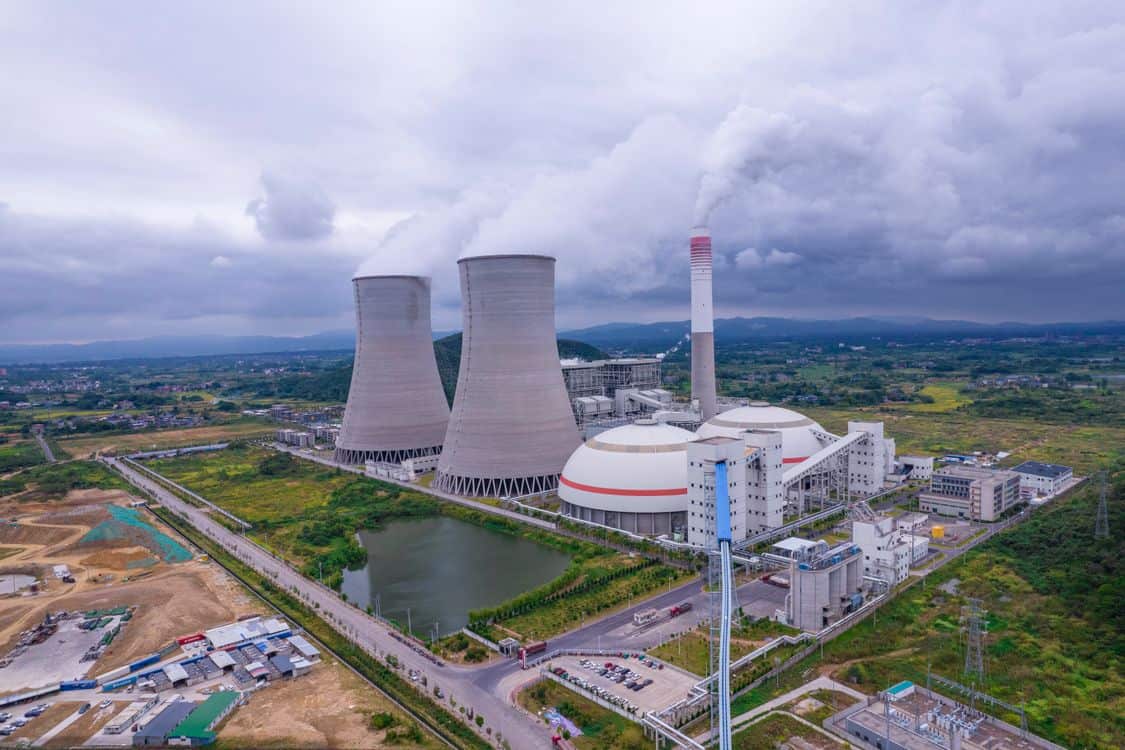
A combined-cycle plant captures the heat from its gas turbines to raise steam, and that steam side is a world of high temperature and high pressure. The drums, headers, and vessels that contain it cannot be made from just any carbon steel.
Ordinary structural and even standard pressure vessel grades can lose strength and creep, slowly deforming, when held at high temperature for long periods. Equipment that runs hot for decades needs steel designed for exactly that.
This is the duty a grade like ASTM A515 is written for. It is an elevated-temperature pressure vessel plate whose coarse-grain structure improves resistance to creep, making it well suited to higher-temperature service.
The coarse grain is a deliberate trade-off. It sacrifices some low-temperature toughness in exchange for better performance where the metal stays hot, which is precisely the environment inside high-temperature pressure parts.
There are limits, and engineers respect them. The very hottest sections of high-temperature equipment often step up to alloy steels, but across a wide band of elevated-temperature carbon-steel duty, the high-temperature pressure grade is the natural choice.
What the boom means for plate buyers
For suppliers of pressure vessel plate, the gas power buildout is a meaningful and durable demand source.
These are large, long-lead projects, and the supply chain bottlenecks around turbines and heat-recovery equipment mean the pressure parts are firmly on the critical path. Plate that holds up a project schedule is plate that gets prioritized.
It is also exacting work. Elevated-temperature service comes with demanding chemistry, heat treatment, and testing requirements, and material that arrives without the right documentation cannot simply be welded into a high-temperature drum.
That rewards suppliers who understand the application and can deliver certified, specification-compliant high-temperature plate on the timelines these projects demand.
The headlines will keep celebrating chips and models. But the power those models consume is increasingly made in plants full of high-temperature steel, quietly holding pressure in the heat so the data centers never go dark.